Hurry! Become a member today and save 20%!
2026-01-27 | News
Day Trips from Leeds: Top Destinations in 2026
Share the post
Leeds offers excellent access to diverse destinations perfect for memorable days out. From wildlife encounters and coastal walks to historic towns and natural landscapes, the region provides varied options for every type of traveller.
Key takeaways
The Leeds area provides excellent day trip options ranging from wildlife experiences to coastal towns and historic sites. Whether travelling by car or train, visitors can reach multiple destinations within an hour or two.
Blackpool Zoo—Top wildlife experience:
Home to over 1,000 animals from more than 300 species across 20 hectares of parkland.
Features interactive play areas, conservation programmes, and rare species encounters throughout the day.
Located approximately 90 minutes from Leeds, accessible by car via the M65 or by train with a short bus connection.
Coastal destinations:
St Annes-on-Sea and Morecambe offer relaxed beaches, family-friendly cafes, and scenic promenades perfect for leisurely visits.
Both destinations feature Victorian architecture and traditional seaside charm within 90 minutes of Leeds.
Historic towns and cultural experiences:
Lancaster, Preston, and Southport combine castles, museums, and gardens with shopping and dining options.
Train access makes these towns convenient for car-free day trips.
Natural landscapes:
Formby's red squirrel reserve, Delamere Forest cycling trails, and Lake District viewpoints provide outdoor alternatives.
Ideal for active visitors seeking hiking, wildlife watching, or peaceful woodland walks.
Blackpool Zoo – A wild day out for all ages
.jpg)
Blackpool Zoo stands out as one of the best day trips from Leeds, offering an immersive wildlife experience that appeals to families, couples, and solo travellers alike. Located in the seaside resort of Blackpool, the zoo houses over 1,000 animals representing more than 300 species across 37 acres of thoughtfully designed habitats.
The experience goes beyond simple observation. Interactive educational programmes throughout the day allow visitors to learn about conservation efforts, animal behaviour, and the zoo's participation in global breeding programmes for endangered species.
Animal encounters and rare species
.jpg)
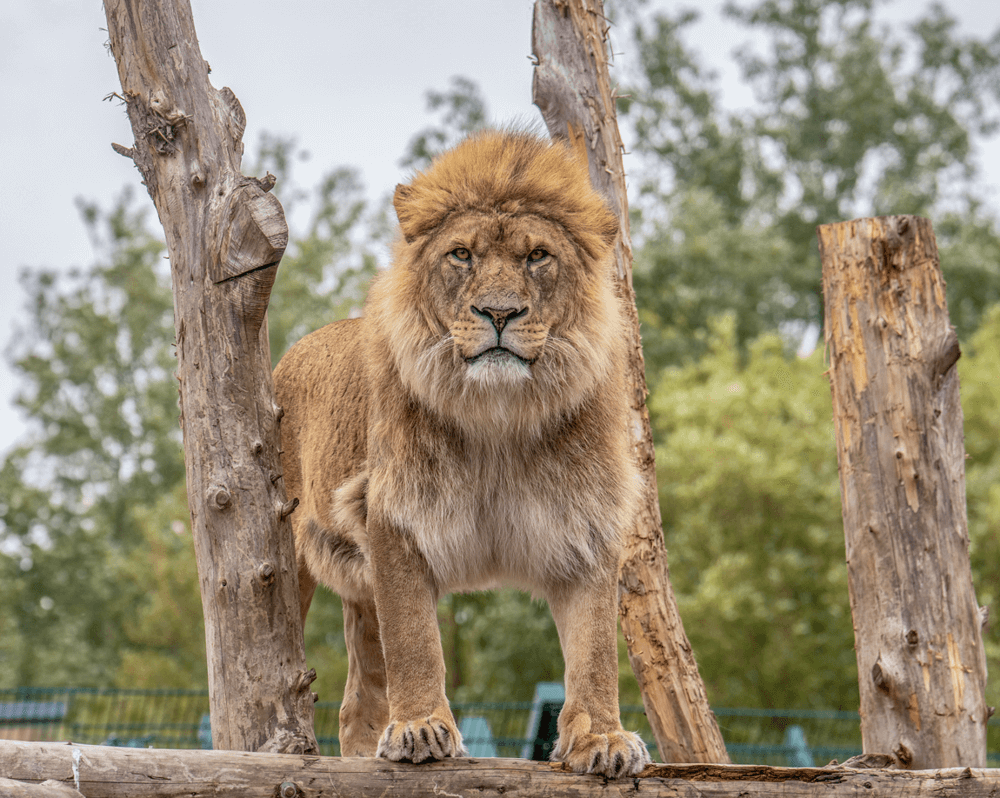
Blackpool Zoo's collection includes species rarely seen in UK zoos. The Amur tigers command attention with their powerful presence, while the African elephants demonstrate remarkable intelligence during feeding times. The gorilla habitat recreates their natural environment with climbing structures and enrichment activities that showcase these primates' complex social behaviours.
The penguin pool features regular feeding sessions where keepers share insights about these charismatic birds' adaptations to aquatic life. Red pandas, a variety of monkeys, and Bornean orangutans round out the collection of remarkable species that draw wildlife enthusiasts from across the region.
The zoo's commitment to conservation extends beyond its gates through participation in breeding programmes for critically endangered species, including Bornean orangutans and Western lowland gorillas
Interactive play areas for kids
.jpg)
Our adventure playground ensures younger visitors stay engaged between animal encounters. The main play area features climbing structures, slides, and interactive elements designed for different age groups.
Dinosaur-themed installations add an educational twist, connecting prehistoric creatures with modern conservation messages. Sand play areas and water features provide sensory experiences that complement the wildlife observations.
These spaces allow families to pace their visits comfortably, with children burning energy while adults rest on nearby benches.
Conservation and learning experiences
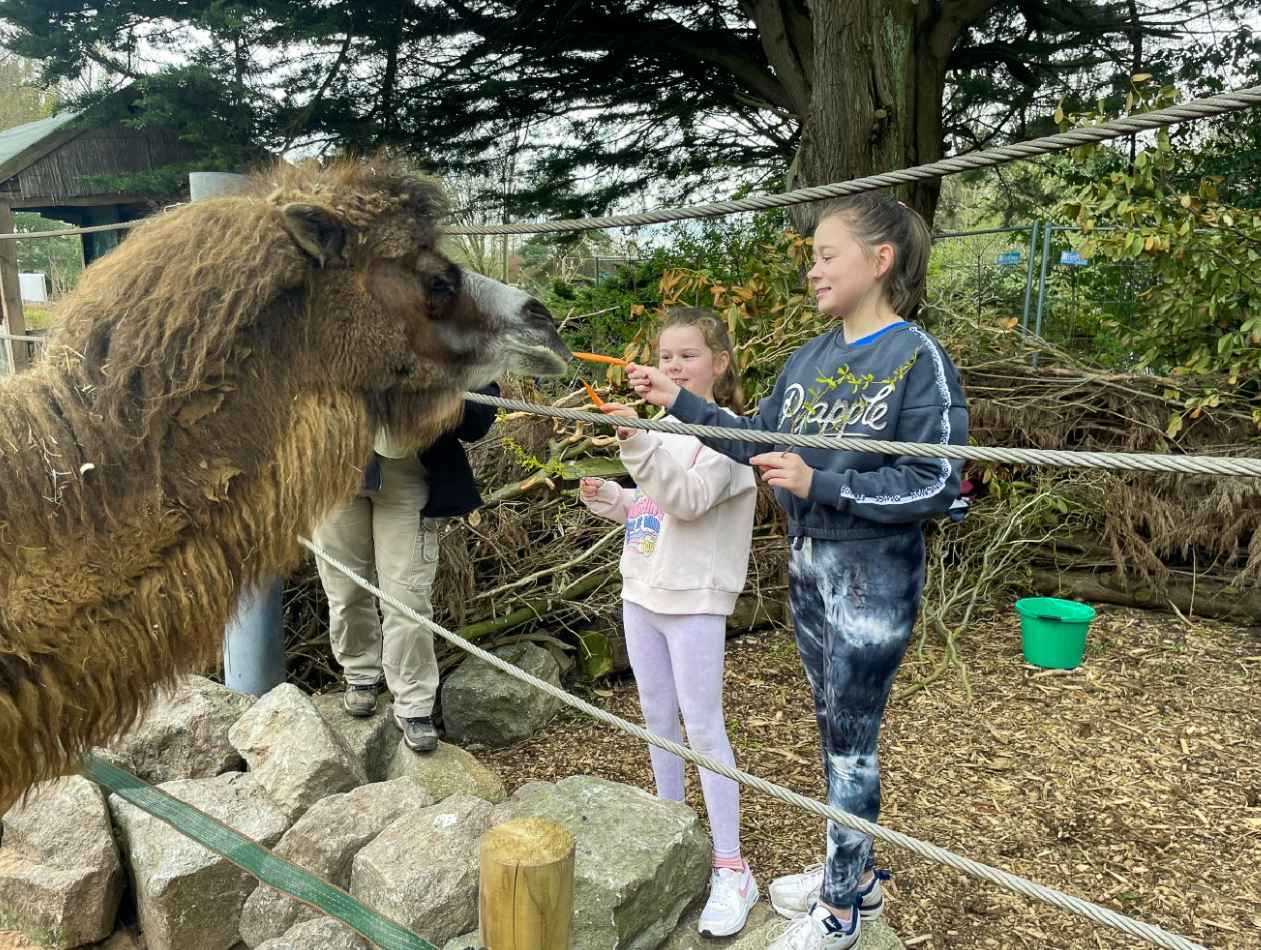
The zoo's education team conducts regular talks and feeding demonstrations that highlight conservation challenges facing wildlife worldwide. Visitors learn how zoo participation in European Endangered Species Programmes contributes to protecting endangered animals.
Interactive displays explain ecosystems, animal adaptations, and the impact of human activities on wildlife habitats. The approach emphasises actionable conservation steps visitors can take in their daily lives.
Seasonal educational programmes expand on these themes with special workshops and behind-the-scenes tours available for advance booking.
Opening hours and ticket info
Blackpool Zoo operates daily with seasonal hour variations. The zoo typically opens at 10:00 AM with last entry times varying throughout the year. Current opening hours should be confirmed before travelling, as the schedule adjusts for seasons and special events.
Seaside escapes and coastal adventures
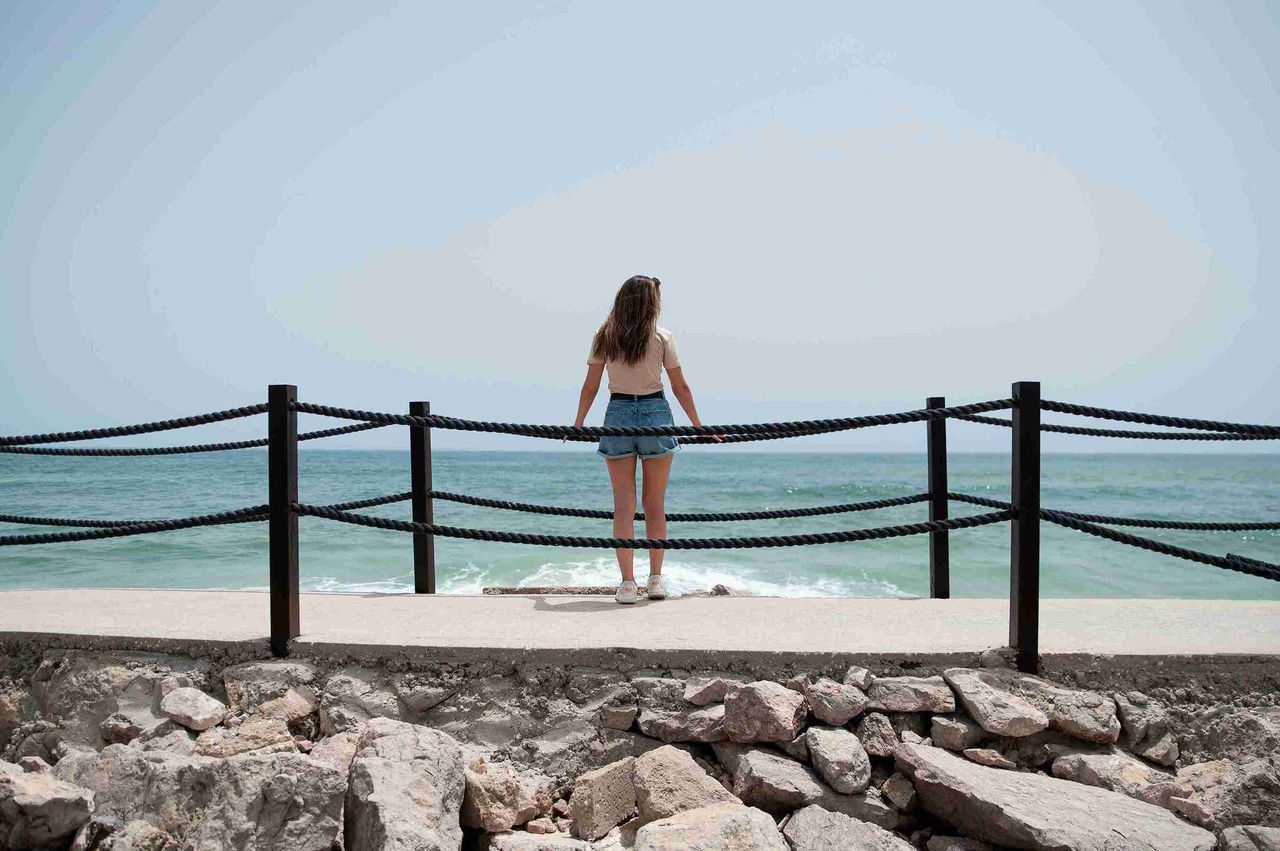
The Lancashire coast offers traditional seaside charm within easy reach of Leeds, making these towns perfect for relaxed days out. Victorian architecture, sandy beaches, and scenic promenades create the ideal setting for leisurely coastal exploration.
These destinations combine natural beauty with family-friendly amenities, from traditional cafes to modern restaurants. The coastal air and open spaces provide a refreshing contrast to urban Leeds.
St Annes-on-Sea – relaxed beach and family-friendly cafes
St Annes-on-Sea maintains a quieter, more refined atmosphere compared to nearby Blackpool. The town's Victorian gardens, wide sandy beach, and elegant pier attract visitors seeking a peaceful coastal retreat.
The promenade stretches for miles, perfect for cycling or walking while enjoying views across the Irish Sea. Beach huts line the shore, and the pristine sand makes it ideal for families with young children. The town centre features independent shops, traditional tea rooms, and seafood restaurants serving fresh local catch.
St Annes Pier extends into the sea with amusement arcades and refreshment stands at its entrance. The surrounding gardens host summer events and provide sheltered picnic spots on breezy days.
Distance from Leeds: Approximately 80 miles via M62 and M55 (1:30 hours)
Best season to visit: May through September
Morecambe – Art Deco beauty and bay views
Morecambe Bay's sweeping vistas create one of the most dramatic coastal landscapes in northwest England. The town's Art Deco Midland Hotel stands as an architectural icon, recently restored to its 1930s glamour.
The promenade's bronze statue of Eric Morecambe, the town's most famous resident, provides a popular photo opportunity. The Stone Jetty offers sunset views ranked among Britain's finest, with the Lakeland fells creating a mountainous backdrop across the bay.
Modern regeneration has brought new cafes, restaurants, and attractions to the seafront. The town serves as a gateway to exploring Morecambe Bay's unique ecology, though visitors should respect tide warnings.
Distance from Leeds: Approximately 65 miles via A65 (1:20 hours)
Best season to visit: Late spring and summer
Historic towns and cultural stops

The region surrounding Leeds features market towns with centuries of history preserved in castles, museums, and Georgian architecture. These destinations offer cultural depth alongside modern amenities, suitable for visitors interested in England's heritage.
Each town maintains its distinct character while providing comfortable facilities for day visitors, including parking, restaurants, and well-maintained historic sites.
Lancaster – castle, riverside walks, and local history
Lancaster's imposing castle has dominated the skyline for over 1,000 years. Tours reveal mediaeval dungeons, Victorian prison cells, and the Shire Hall, where the infamous Pendle Witch trials took place. The castle remains a working crown court, adding authenticity to its historical atmosphere.
The River Lune offers peaceful walking routes through parkland and along the Millennium Bridge. The city's Georgian quarter preserves elegant townhouses, now housing independent shops, cafes, and galleries.
Lancaster's compact centre makes exploration on foot easy, with the Priory Church, Maritime Museum, and Judges' Lodgings all within walking distance. The city's university campus adds a vibrant cultural scene with regular public events.
Distance from Leeds: Approximately 70 miles via M65 (1:30 hours)
Best season to visit: Spring and autumn
Preston – museums, shopping streets, and parks
Preston combines its industrial heritage with modern retail developments. The Harris Museum and Art Gallery occupies a neoclassical building in the city centre, housing collections spanning art, decorative objects, and local history.
Avenham and Miller Parks cascade down to the River Ribble with Victorian landscaping, including palm trees and ornamental gardens. The parks host summer events and provide year-round green spaces within the city.
Preston's covered market offers traditional market stalls alongside international food vendors. The city's shopping district mixes high street chains with independent retailers.
Distance from Leeds: Approximately 50 miles via M65 (1:00 hour)
Best season to visit: Year-round; indoor attractions complement outdoor spaces
Southport – Victorian charm, pier, and gardens
Southport's mile-long Victorian pier remains one of Britain's finest, extending far into the sea with amusement arcades and restaurants along its length. The town's wide tree-lined boulevards and elegant architecture reflect its development as a fashionable resort.
The Botanic Gardens feature glasshouses, lakes, and seasonal displays across 27 acres. Nearby, the British Lawnmower Museum presents an unexpectedly fascinating collection, while Lord Street's glass canopies shelter upscale shopping.
Marine Lake offers boating activities, and the long sandy beach provides space for walking when the tide permits. The town maintains its traditional resort character while adapting to modern visitor expectations.
Distance from Leeds: Approximately 65 miles via M62 (1:15 hours)
Best season to visit: Summer for pier attractions and beach access; covered shopping suitable year-round
Outdoor adventures and nature spots
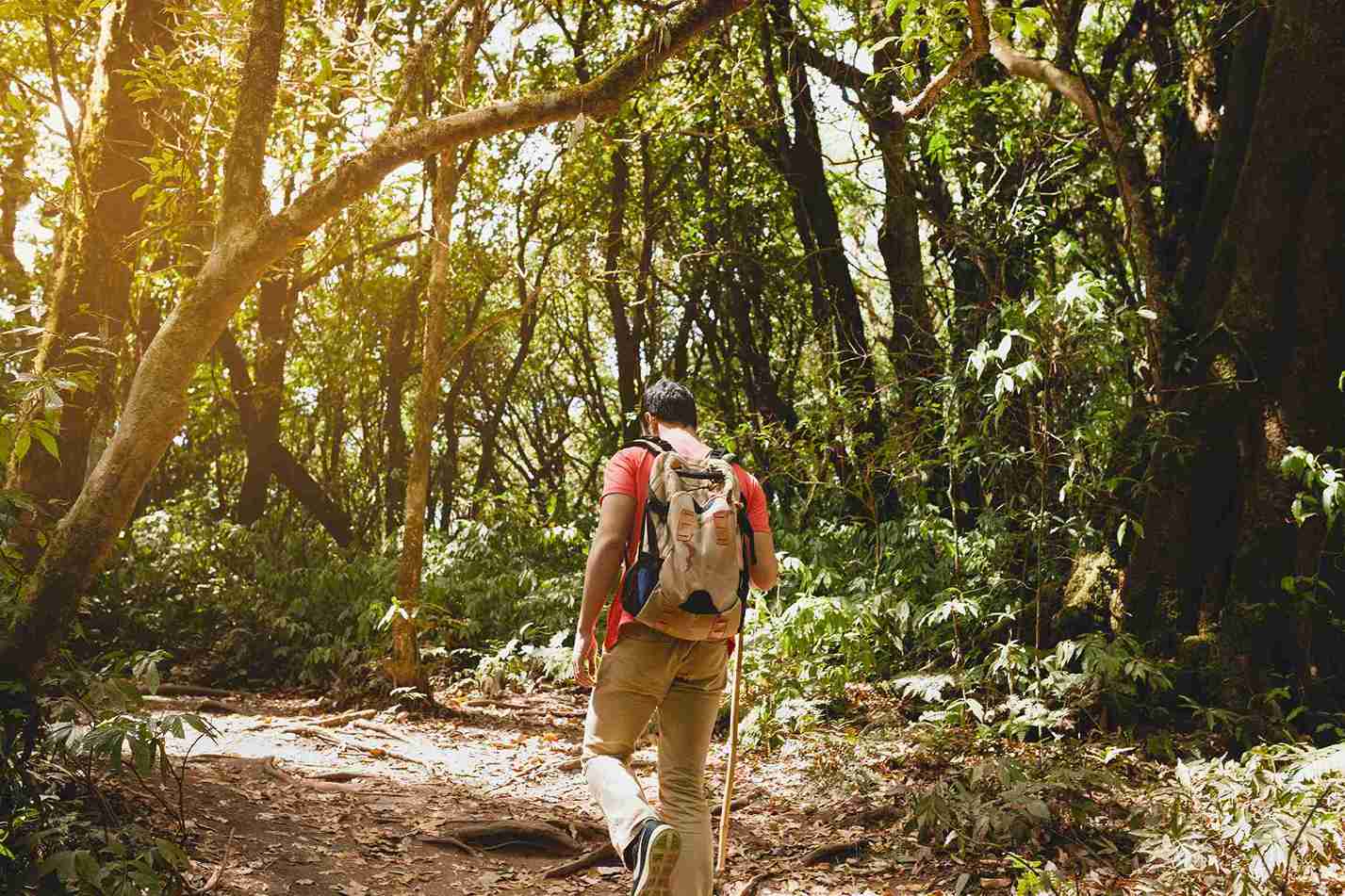
Natural landscapes near Leeds range from coastal nature reserves to ancient forests and mountain scenery. These destinations appeal to active visitors seeking walking, cycling, or wildlife watching away from urban environments.
Each location provides marked trails, visitor facilities, and opportunities to experience northern England's diverse ecosystems.
Formby – red squirrels, dunes, and woodland walks
The Formby red squirrel reserve protects one of England's few remaining populations of native red squirrels. Woodland trails offer excellent opportunities for sightings, particularly during morning and late afternoon feeding times.
The adjacent beach stretches for miles, backed by dramatic sand dunes that shift and evolve with coastal winds. Prehistoric footprints occasionally emerge from the beach at low tide, preserved in ancient mud layers.
Formby's pine woodlands create a distinct microclimate supporting specialised plants and fungi. The National Trust manages the site with clearly marked trails connecting beach, dunes, and woodland habitats.
Distance from Leeds: Approximately 75 miles via M62 and M57 (1:30 hours)
Best season to visit: Spring through autumn for wildlife activity and comfortable walking
Delamere Forest – cycling, trails, and picnic spots
Cheshire's Delamere Forest offers 2,400 acres of woodland with dedicated cycling routes, walking trails, and family activity areas. The visitor centre provides trail maps, bike rentals, and information about forest wildlife, including fallow deer.
Multiple trail options accommodate different fitness levels, from gentle nature walks to challenging mountain bike routes. The forest's network of paths connects open grasslands with dense woodland sections.
Go Ape's high ropes course adds adventure activities for those seeking more than gentle forest walks. Picnic areas throughout the forest provide peaceful spots for relaxing.
Distance from Leeds: Approximately 70 miles via M62 (1:20 hours)
Best season to visit: Year-round access; autumn colours particularly scenic
Lake District day trip option – lakeside views and short hikes
While a full Lake District exploration requires multiple days, locations like Windermere and Coniston remain accessible for day trips from Leeds. The journey rewards visitors with England's most celebrated mountain scenery.
Windermere offers lake cruises, waterside walks, and viewpoints accessible without serious hiking. The town's amenities include restaurants, gift shops, and the Windermere Jetty Museum showcasing lake transport history.
Shorter walks around Tarn Hows or Rydal Water provide Lake District experiences without requiring hiking expertise or extensive time commitment. These locations offer parking, clear paths, and spectacular views.
Distance from Leeds: Approximately 85 miles via A65 to Windermere (1:45 hours)
Best season to visit: Late spring and early autumn for favourable weather and fewer crowds
Day trips from Leeds by train

Train connections from Leeds provide convenient access to several destinations without driving concerns. These routes offer frequent services, reasonable journey times, and stations within walking distance of main attractions.
Public transport day trips allow visitors to relax during travel and avoid parking considerations in busy town centres.
York – historic streets and York Minster
York stands as one of England's most complete mediaeval cities, with Roman foundations, Viking heritage, and Norman architecture preserved within ancient walls. York Minster dominates the skyline as one of Northern Europe's greatest Gothic cathedrals.
The Shambles' narrow mediaeval street features overhanging timber-framed buildings now housing cafes and shops. The city walls circuit provides elevated views across historic quarters and can be walked in sections.
Multiple museums cover Roman, Viking, and railway history. The city's compact size makes walking the primary transport method, with most attractions within a 20-minute stroll of the station.
Train journey: Direct services run every 30 minutes, journey time approximately 25 minutes.
Distance from Leeds: Approximately 25 miles (0:25 hours by train)
Best season to visit: Spring and autumn for pleasant weather and fewer tourists
Harrogate – gardens, spa, and cultural sites
Harrogate's elegant spa town atmosphere reflects its Victorian heyday as a fashionable health resort. The Royal Pump Room Museum explains the town's spa heritage, while The Valley Gardens provide 17 acres of ornamental gardens, streams, and seasonal plantings.
Harrogate's town centre features independent shops, upscale restaurants, and traditional tea rooms, including the famous Bettys. Turkish Baths offer authentic Victorian spa experiences in original settings.
RHS Garden Harlow Carr extends across 68 acres on the town's edge, showcasing plants suited to northern growing conditions. The gardens include woodlands, streams, and learning gardens alongside ornamental displays.
Train journey: Regular services throughout the day, journey time approximately 35-40 minutes.
Distance from Leeds: Approximately 16 miles (0:35-0:40 hours by train)
Best season to visit: Year-round appeal; gardens particularly beautiful in spring and summer
Skipton – market town and canal walks
Skipton's mediaeval castle, remarkably preserved after 900 years, offers rooftop views across the town and surrounding Yorkshire Dales. The castle's Tudor courtyard, dungeons, and kitchens remain accessible for exploration.
The Leeds-Liverpool Canal runs through Skipton's centre, with towpath walks extending into the countryside in both directions. The historic High Street maintains a traditional market four days weekly with local produce and crafts.
Skipton serves as a gateway to the Yorkshire Dales, though the town itself provides sufficient attractions for a full day visit including independent shops, cafes, and the Holy Trinity Church.
Train journey: Regular services on the Settle-Carlisle line, journey time approximately 40 minutes.
Distance from Leeds: Approximately 30 miles (0:40 hours by train)
Best season to visit: Market days (Mon, Wed, Fri, Sat) for extra atmosphere; spring through autumn
Plan your day trip from Leeds: Blackpool Zoo and beyond!
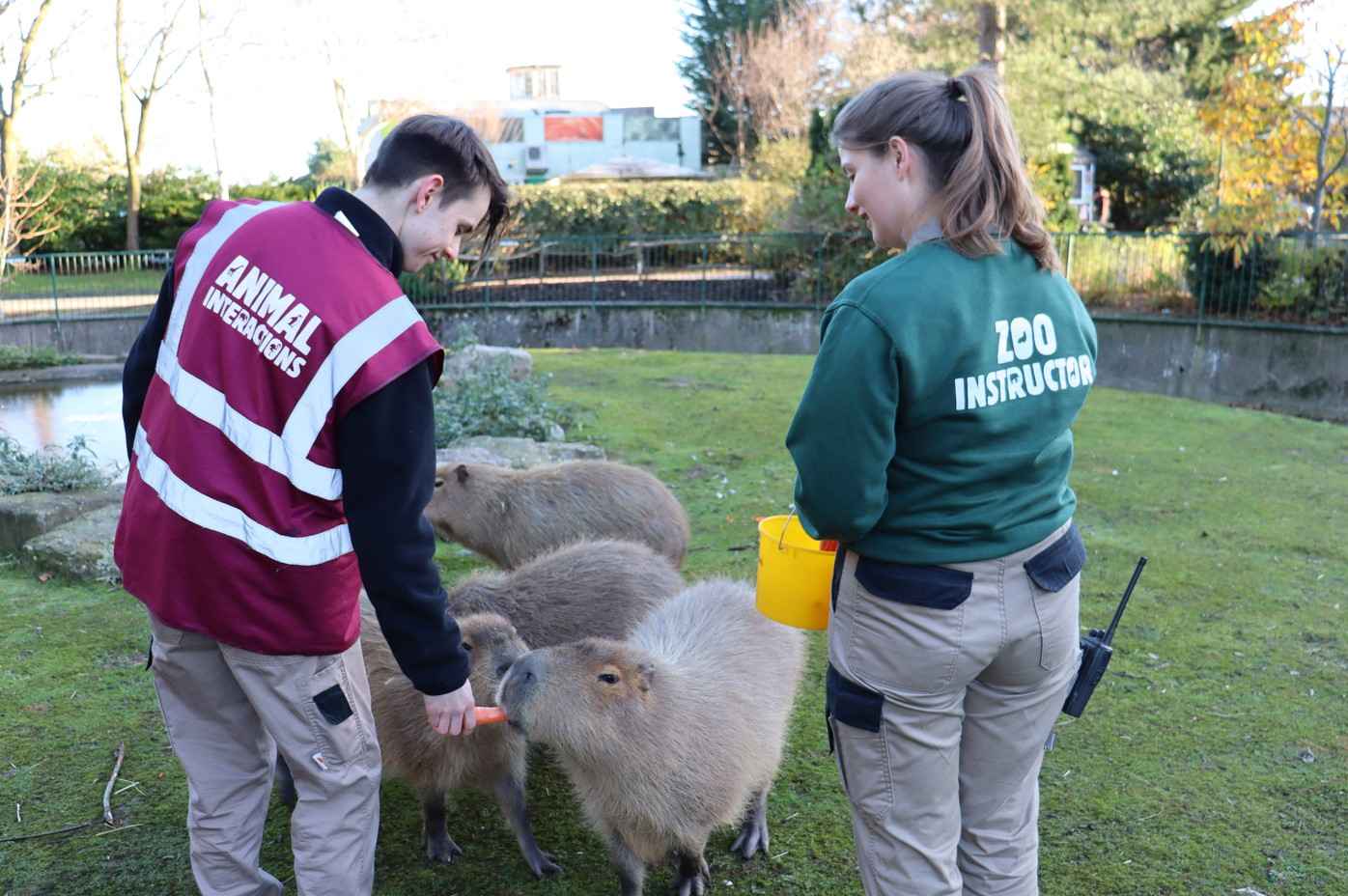
The variety of destinations within easy reach of Leeds ensures that every day trip can match your interests and schedule. From wildlife encounters at Blackpool Zoo to coastal walks, historic exploration, or forest adventures, the region accommodates all preferences.
Combining destinations creates fuller day experiences. A morning at Blackpool Zoo pairs naturally with an afternoon exploring St Annes-on-Sea, while Harrogate's gardens and tea rooms complement York's historic streets on a longer day out. Train routes connecting multiple towns allow car-free multi-stop days for the ambitious.
Planning ahead maximises enjoyment. Check opening hours, book popular attractions in advance, and consider weather when choosing between outdoor and indoor options. The region's transport infrastructure makes spontaneous trips feasible, though advance planning ensures access to timed-entry attractions and avoids disappointment.
FAQs
Where to go on a day trip from Leeds?
Blackpool Zoo offers the most comprehensive day out from Leeds, combining wildlife encounters with educational programmes across 37 acres. For coastal experiences, St Annes-on-Sea and Morecambe provide traditional seaside charm within 90 minutes. History enthusiasts should explore Lancaster Castle or York's mediaeval streets, both accessible by car or train. Nature lovers can visit Formby's red squirrel reserve or cycle through Delamere Forest's woodland trails.
What is an hour away from Leeds?
Blackpool Zoo sits approximately 90 minutes from Leeds, making it an ideal morning departure for a full day of wildlife encounters. Several destinations sit within an hour's drive of Leeds. Harrogate is reached in 35-40 minutes by train, offering spa heritage and beautiful gardens. Skipton's mediaeval castle and canal walks are approximately 40 minutes away. Preston provides museums and parks at around 60 minutes by car. For those seeking coastal access, the journey to Southport takes approximately 75 minutes, placing you at one of the northwest's finest Victorian piers.
What to do in Leeds on a sunny day?
Sunny weather makes it the perfect time to venture beyond Leeds to Blackpool Zoo, where outdoor animal habitats, walking paths, and interactive play areas shine in good weather. The 90-minute journey rewards visitors with a full day exploring over 1,000 animals across 37 acres of parkland. For those staying local, Leeds itself offers excellent sunny day options including Roundhay Park's lakes and gardens, the Royal Armouries museum, and canal walks through Granary Wharf.
What are some of the best day trips from Leeds by bus?
Blackpool Zoo is accessible by bus from Leeds, with National Express offering direct services to the town centre (about 2 miles aways from the zoo) that take approximately 2-3 hours. While longer than driving (90 minutes), bus travel allows you to relax and enjoy the journey without parking concerns. The zoo's location near bus routes makes it convenient once you arrive in Blackpool.